
When Should You Visit Trimbakeshwar? Best Times and Festival Highlights
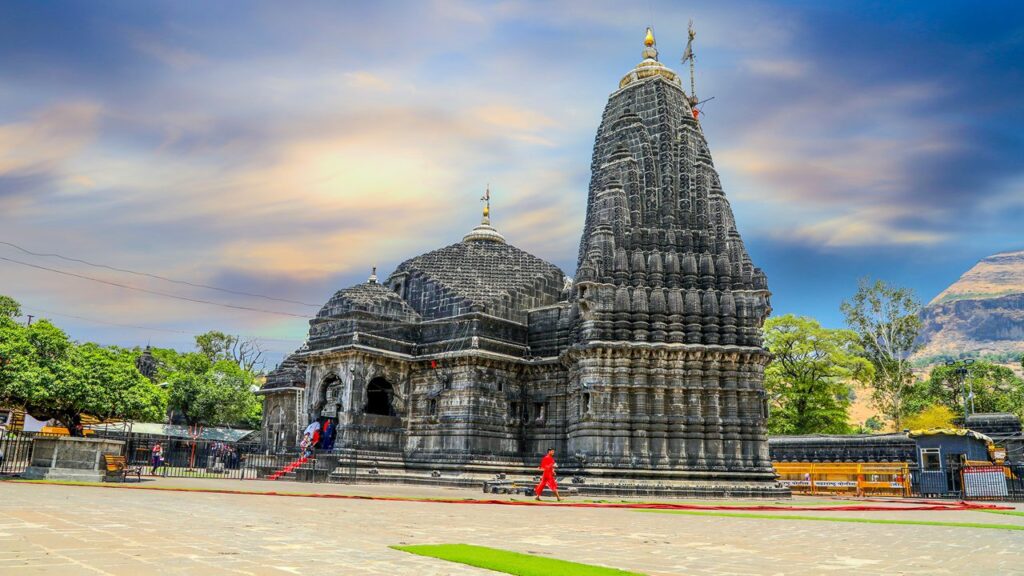
Trimbakeshwar, one of the twelve Jyotirlingas of Lord Shiva, holds a unique charm that draws millions of devotees every year. Situated amidst the serene Brahmagiri hills in Nashik, Maharashtra, this temple is not just a pilgrimage spot but a confluence of spirituality, mythology, and vibrant cultural traditions.
If you’ve ever wondered, “When should you visit Trimbakeshwar?” the answer depends on what you seek — pleasant weather, peaceful darshan, or the grandeur of festivals. This guide will help you choose the best time to visit Trimbakeshwar while exploring the temple’s climate, rituals, and festive highlights.
Geographic Location and Spiritual Importance
Where is Trimbakeshwar Located?
The temple is nestled in the holy town of Trimbak, about 28 km from Nashik. Surrounded by lush greenery and the origin point of the sacred Godavari River, the location itself radiates a divine aura.
Mythological Significance and Legends
According to Hindu scriptures, Lord Shiva resides here in a special three-faced Jyotirlinga symbolizing Brahma, Vishnu, and Mahesh. The temple is also deeply connected with rituals like Narayan Nagbali and Kaal Sarp Dosh Nivaran, making it spiritually significant for those seeking relief from ancestral or planetary afflictions.
Climate of Trimbakeshwar Throughout the Year
Understanding the climate is key to planning your visit.
Summer (March–June) – Hot but Spiritual
-
Temperature ranges from 28°C to 40°C.
-
Heat can make daytime darshan uncomfortable.
-
However, mornings and evenings remain calm and peaceful for spiritual activities.
Monsoon (July–September) – Refreshing Yet Challenging
-
Heavy rainfall drenches the Brahmagiri hills, making the surroundings lush and green.
-
The Godavari river flows in full glory, enhancing the temple’s divine charm.
-
However, slippery roads and heavy showers may pose challenges for elderly pilgrims.
Winter (October–February) – Ideal Weather for Pilgrimage
-
The most recommended season to visit.
-
Pleasant temperatures between 15°C and 25°C make darshan comfortable.
-
This season also coincides with important festivals and rituals.
Best Times to Visit Trimbakeshwar
Pleasant Months for Comfortable Darshan
The October to March window is considered the best time, thanks to the cool weather and festival season.
Off-Peak Periods for a Peaceful Visit
If you prefer avoiding long queues, plan your trip during non-festival weekdays, especially in November or February. This ensures a calmer and more personal spiritual experience.
Major Festivals Celebrated in Trimbakeshwar
Maha Shivratri – The Grand Celebration
The most important festival here, when thousands of devotees gather to perform special pujas, chant mantras, and witness the divine aarti.
Kumbh Mela – Once-in-12-Years Divine Gathering
Held in Nashik, with Trimbakeshwar as a key pilgrimage center, this event attracts millions of saints, devotees, and travelers from across the globe.
Shravan Month – Special Rituals and Devotion
During the auspicious month of Shravan (July–August), devotees throng the temple to offer milk, bilva leaves, and water to Lord Shiva.
Other Local Festivals and Fairs
Festivals like Nag Panchami and regional fairs bring vibrant colors, processions, and devotional fervor to the temple town.
Spiritual Activities and Rituals to Experience
Rudrabhishek Puja
A sacred ritual where devotees bathe the Shiva Linga with holy offerings while chanting powerful mantras.
Narayan Nagbali and Kaal Sarp Dosh Nivaran Puja
Unique rituals performed at Trimbakeshwar, believed to remove ancestral curses and planetary doshas.
Daily Aartis and Temple Traditions
Morning and evening aartis accompanied by chants and bells make the atmosphere deeply spiritual and uplifting.
Travel Tips for Visiting Trimbakeshwar
Best Time of Day to Visit the Temple
Early mornings are ideal for darshan as crowds are smaller and the atmosphere is serene.
Dress Code and Etiquette
Simple, modest clothing is recommended. Men may be asked to remove shirts during certain pujas. Women should wear traditional attire for rituals.
Accommodation Options for Pilgrims
From budget dharamshalas to mid-range hotels in Nashik, pilgrims have multiple options depending on budget and comfort.
How to Reach Trimbakeshwar
By Road
Frequent buses and taxis connect Nashik and nearby cities to Trimbak.
By Train
The nearest railway station is Nashik Road, about 39 km away.
By Air
The closest airport is Ozar Airport (Nashik Airport), with Mumbai International Airport as a major nearby option.
FAQs About Visiting Trimbakeshwar
Q1. What is the best month to visit Trimbakeshwar?
October to February offers the most pleasant weather for darshan.Q2. Can I visit Trimbakeshwar during monsoon?
Yes, but expect heavy rainfall and travel delays. The lush greenery, however, makes it scenic.Q3. Which is the most important festival in Trimbakeshwar?
Maha Shivratri is the grandest celebration, while the Kumbh Mela is historic.Q4. Do I need to book rituals in advance?
Yes, especially for pujas like Kaal Sarp Dosh Nivaran, advance booking through authorized priests is recommended.Q5. Is photography allowed inside the temple?
No, photography inside the sanctum is strictly prohibited.Q6. How long does darshan usually take?
On normal days, about 30–45 minutes; during festivals, it can stretch to several hours.
Conclusion – Planning the Perfect Pilgrimage
Trimbakeshwar isn’t just a temple — it’s a journey into the heart of devotion and Indian spirituality. Whether you visit during the cool winter months for a comfortable darshan, or during festivals like Maha Shivratri for a divine celebration, the experience is unforgettable.
With proper planning, understanding of the best times to visit Trimbakeshwar, and awareness of local rituals, your pilgrimage will be smooth, meaningful, and spiritually enriching.