
How Many Jyotirlinga in Maharashtra?
Why Maharashtra is Special for Shiva Devotees
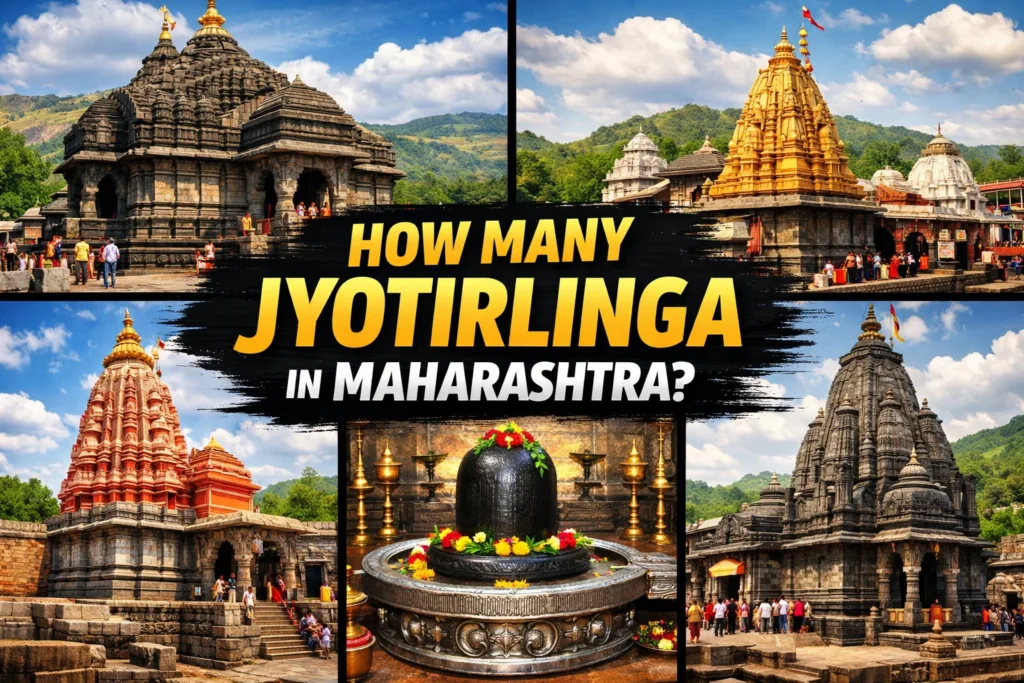
If you love visiting Lord Shiva temples, Maharashtra is one of the most important states in India for you. Out of the 12 Jyotirlinga in the entire country, 5 are located in Maharashtra. That is almost half of all the Jyotirlinga in India — right here in one state!
At Travel Shrine, we have visited all five of these holy places, and we can tell you — each one has its own story, its own energy, and its own charm. Whether you are planning a pilgrimage or just curious about Indian temples, this guide will tell you everything you need to know about the Jyotirlinga in Maharashtra.
Let us start from the basics.
What is a Jyotirlinga?
The word “Jyotirlinga” comes from two Sanskrit words — Jyoti (meaning light or flame) and Linga (a form of Lord Shiva). So a Jyotirlinga is basically a “pillar of divine light” that represents Lord Shiva.
According to Hindu mythology, there was once a fight between Lord Brahma and Lord Vishnu about who is supreme. Lord Shiva appeared as an endless pillar of fire (Jyoti) to show that he is the supreme power. From that moment, 12 specific places on Earth where Shiva appeared became known as Jyotirlinga.
These 12 places are spread across India, and visiting all of them is considered one of the most sacred acts a devotee can do.
How Many Jyotirlinga Are in Maharashtra?
There are 5 Jyotirlinga in Maharashtra. These are:
- Trimbakeshwar (Nashik)
- Bhimashankar (Pune)
- Grishneshwar (Aurangabad)
- Aundha Nagnath (Hingoli)
- Parli Vaijnath (Beed)
Maharashtra has more Jyotirlinga than any other state in India. This makes it a very important state for Hindu pilgrimage.
All 5 Jyotirlinga in Maharashtra — Quick Overview Table
| # | Jyotirlinga Name | Location | District | Nearest City |
|---|---|---|---|---|
| 1 | Trimbakeshwar | Trimbak village | Nashik | Nashik (~28 km) |
| 2 | Bhimashankar | Bhimashankar village | Pune | Pune (~110 km) |
| 3 | Grishneshwar | Verul village | Chhatrapati Sambhajinagar | Aurangabad (~30 km) |
| 4 | Aundha Nagnath | Aundha village | Hingoli | Hingoli (~60 km) |
| 5 | Parli Vaijnath | Parli town | Beed | Latur (~100 km) |
Detailed Guide to Each Jyotirlinga in Maharashtra
1. Trimbakeshwar Jyotirlinga – Nashik
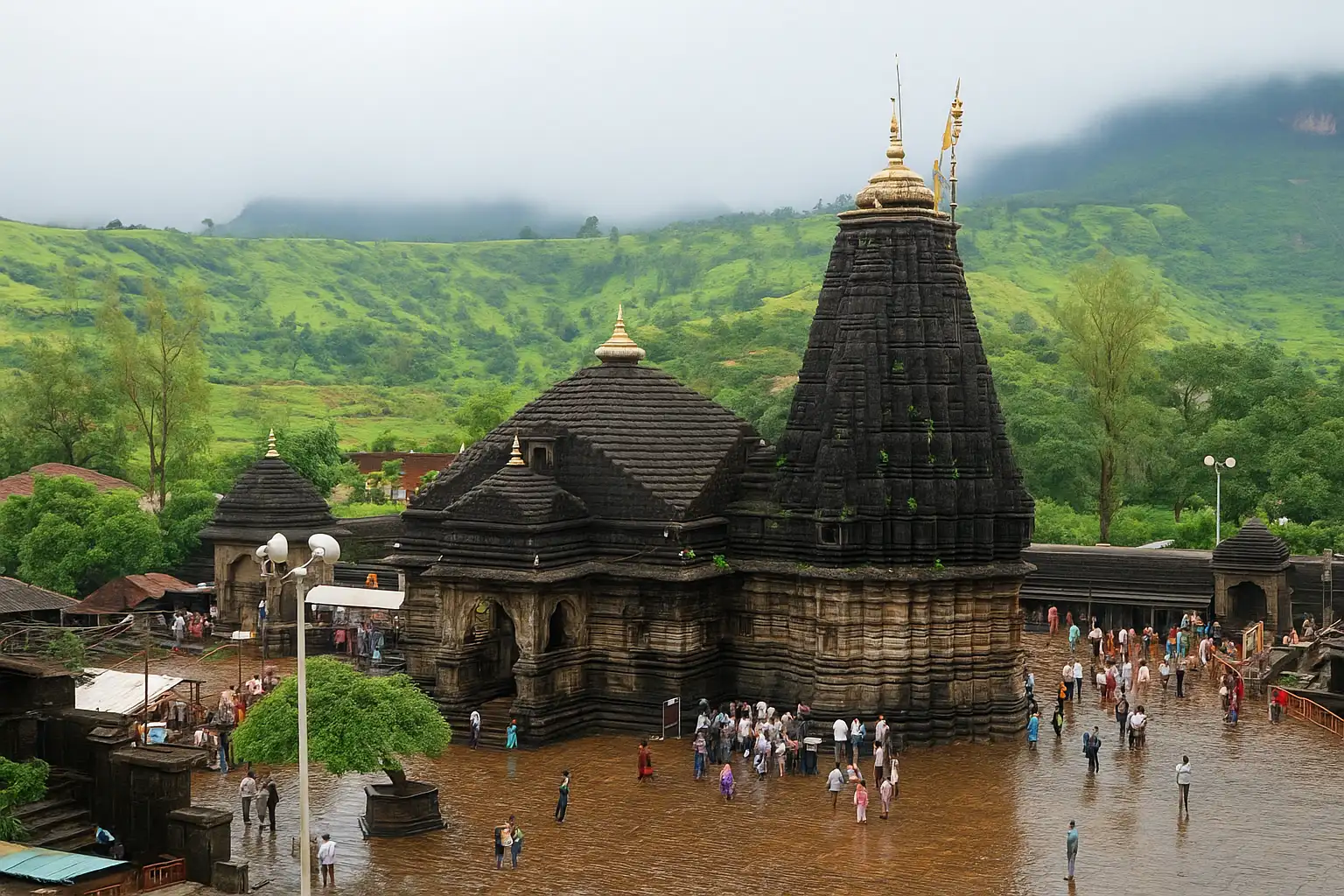
Trimbakeshwar is one of the most visited Jyotirlinga in Maharashtra. It is located in a small town called Trimbak, about 28 km from Nashik city. The temple is built in a very old Nagara style of architecture and looks stunning.
What makes Trimbakeshwar unique is that the Shivalinga here has three faces — one each for Brahma, Vishnu, and Shiva. This is the only Jyotirlinga where you can see all three gods represented in one Linga.
The holy river Godavari also originates near this temple, from a place called Brahmagiri Hill. This adds even more religious importance to this location.
The Kumbh Mela that happens every 12 years in Nashik is directly linked to Trimbakeshwar. Millions of people come here during that time.
Temple Timings:
- Morning: 5:30 AM to 9:00 PM (timings may vary on festivals)
- Puja Timings: Multiple pujas happen throughout the day
Best Time to Visit: October to March (weather is pleasant)
Travel Tip from Travel Shrine: If you are visiting during Shravan month (July–August), be ready for big crowds. Go early in the morning to avoid long queues.
2. Bhimashankar Jyotirlinga – Pune
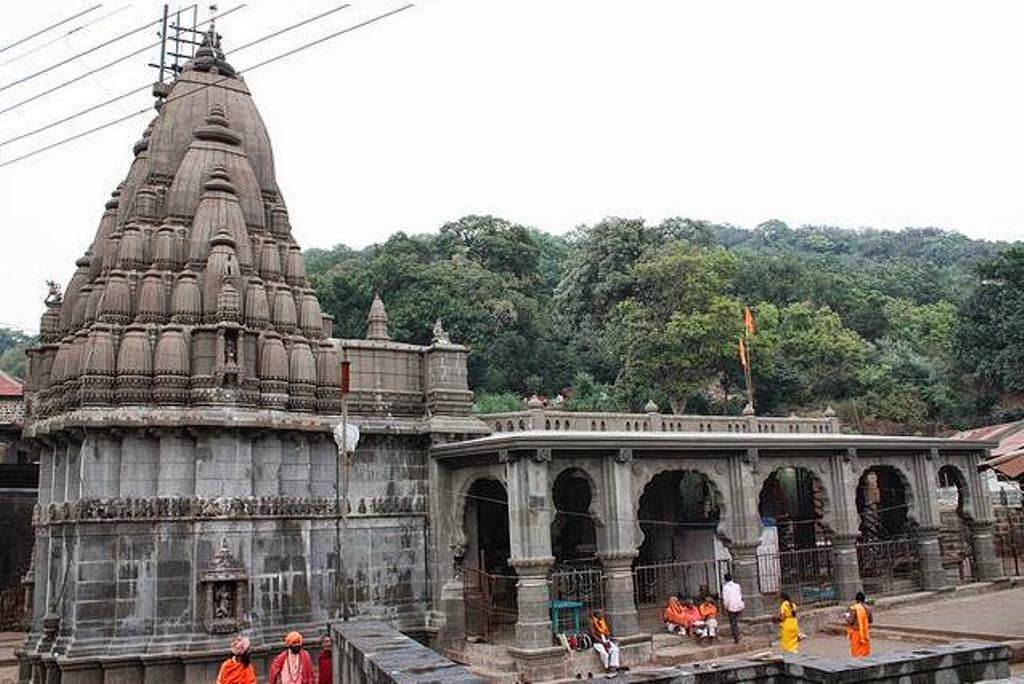
Bhimashankar is one of the most naturally beautiful Jyotirlinga temples in India. It is located deep inside a forest area near Pune, at an altitude of about 3,250 feet. The entire area around the temple is a wildlife sanctuary, home to the famous Indian Giant Squirrel.
According to legend, Lord Shiva killed a demon named Bhima here. The sweat from Shiva’s body formed the Bhima River, which is one of the major rivers of Maharashtra.
The temple architecture is a mix of old Hemadpanthi style. The surroundings are peaceful, green, and perfect for those who want a spiritual experience in nature.
Temple Timings:
- Morning: 4:30 AM to 9:30 PM
Best Time to Visit: November to February for clear weather. Monsoon (June–September) is when the forest is most green and beautiful — but roads can be tricky.
Travel Tip from Travel Shrine: If you love trekking, there is a popular trek route to Bhimashankar that many people take. It takes around 4–5 hours on foot. Very rewarding!
3. Grishneshwar Jyotirlinga – Aurangabad (Chhatrapati Sambhajinagar)
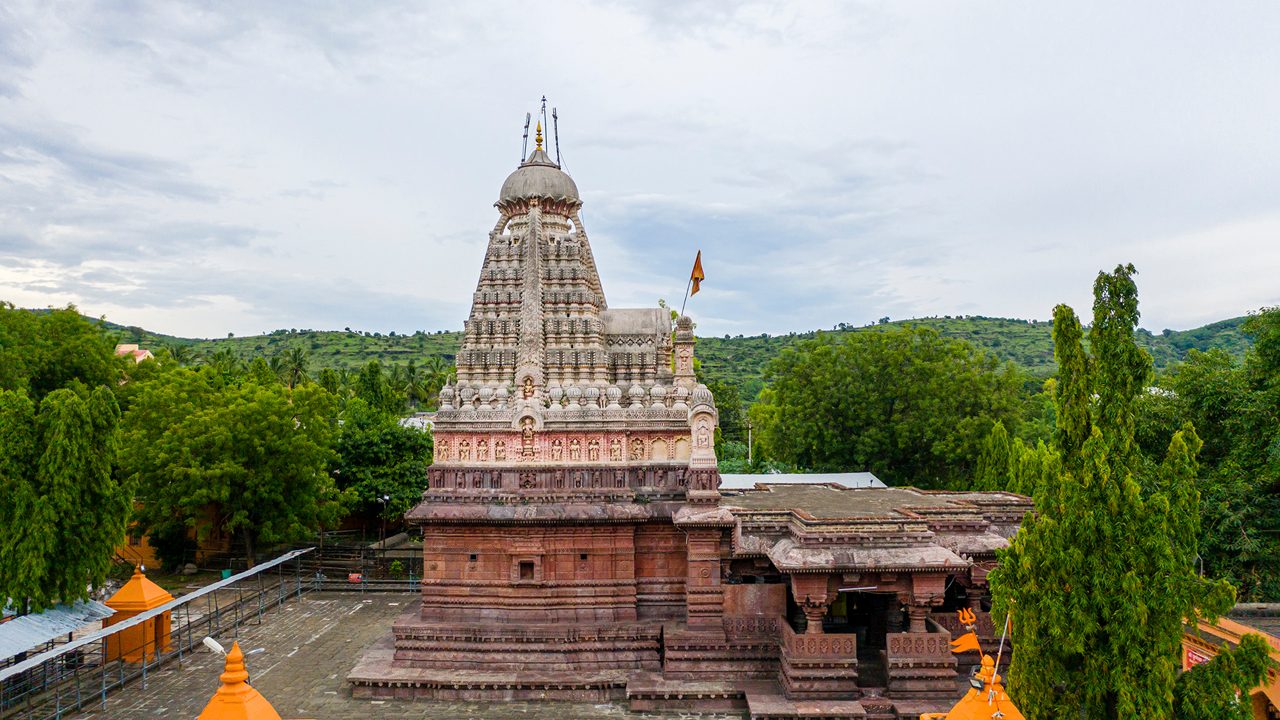
Grishneshwar holds the distinction of being the 12th and last Jyotirlinga in the traditional list of 12. It is located in the village of Verul, very close to the famous Ellora Caves — one of the UNESCO World Heritage Sites of India.
If you are already planning a trip to Ajanta and Ellora, Grishneshwar is a must-visit since it is barely 1 km from the Ellora Caves entrance.
The temple was rebuilt by Ahilyabai Holkar in the 18th century and has some very fine stone carvings. Inside the temple, the Shivalinga is self-manifested (swayambhu), which is considered extremely sacred.
Temple Timings:
- Morning: 5:30 AM to 9:30 PM
Best Time to Visit: November to March
Travel Tip from Travel Shrine: Club your Grishneshwar visit with Ellora Caves and Daulatabad Fort to make the most of your trip to Aurangabad.
4. Aundha Nagnath Jyotirlinga – Hingoli
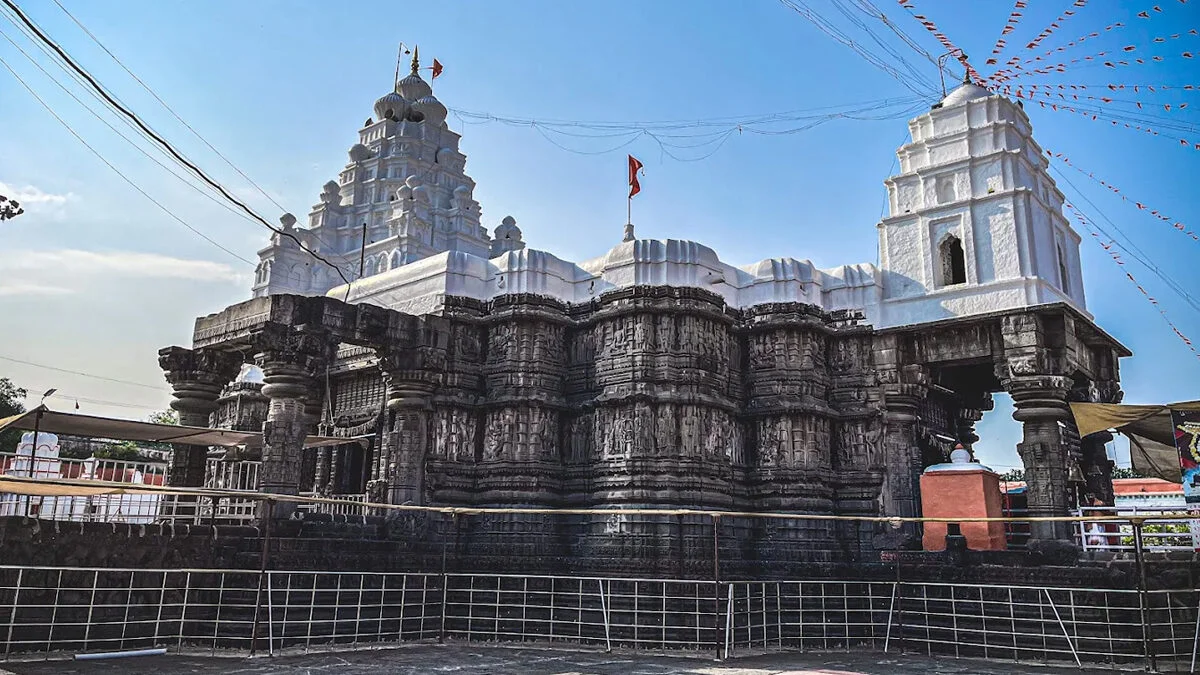
Aundha Nagnath is one of the lesser-known Jyotirlinga but holds great religious importance. It is located in Aundha village in Hingoli district and is believed to be the 8th Jyotirlinga in the traditional list.
This temple is one of the oldest in Maharashtra and has a very old Hemadpanthi architecture. It is said that the Pandavas from the Mahabharata visited this temple and worshipped Lord Shiva here.
The temple is built on a raised platform and has a very unique design. The main Shivalinga is known as “Nagnath” which means Lord of the Serpents, another name for Lord Shiva.
Because this temple is not as well-known among tourists, you will find it far less crowded than Trimbakeshwar or Bhimashankar. If you want a calm, peaceful darshan, Aundha Nagnath is one of the best places.
Temple Timings:
- Morning: 5:00 AM to 10:00 PM
Best Time to Visit: October to February
Travel Tip from Travel Shrine: Hingoli is best reached by road from Nanded or Latur. Plan an overnight stay nearby if you are coming from far.
5. Parli Vaijnath Jyotirlinga – Beed
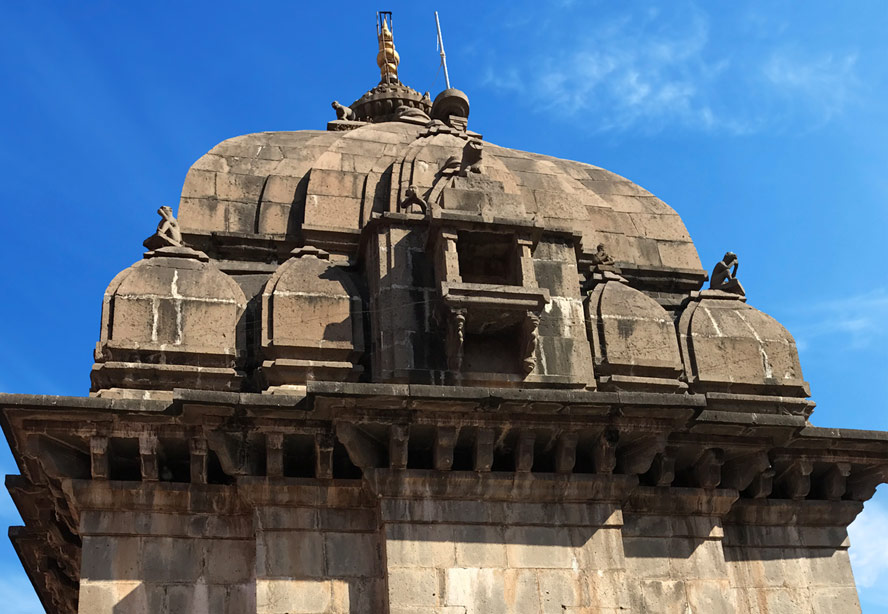
Parli Vaijnath is the 9th Jyotirlinga in the traditional order and is located in Parli town in Beed district. This temple is dedicated to Lord Shiva as “Vaidyanath” — the God of Doctors and Healers.
It is believed that whoever prays here sincerely is cured of diseases. This belief draws thousands of sick devotees every year who come seeking Shiva’s blessings for good health.
The temple sits near the Bindusara River and has a very beautiful and peaceful environment. The architecture is old but well-maintained. There is a big annual fair (yatra) held here during Mahashivratri that attracts lakhs of devotees.
Temple Timings:
- Morning: 4:00 AM to 11:00 PM
Best Time to Visit: During Mahashivratri for the full experience, or October to February for comfortable weather.
Travel Tip from Travel Shrine: Parli has its own railway station (Parli Vaijnath station) which makes it accessible from major cities like Aurangabad, Latur, and Pune.
All 12 Jyotirlinga in India — Where Maharashtra Fits In
To understand how important Maharashtra is, here is the full list of all 12 Jyotirlinga and their locations across India:
| # | Jyotirlinga | State |
|---|---|---|
| 1 | Somnath | Gujarat |
| 2 | Mallikarjuna | Andhra Pradesh |
| 3 | Mahakaleshwar | Madhya Pradesh |
| 4 | Omkareshwar | Madhya Pradesh |
| 5 | Kedarnath | Uttarakhand |
| 6 | Bhimashankar | Maharashtra |
| 7 | Kashi Vishwanath | Uttar Pradesh |
| 8 | Trimbakeshwar | Maharashtra |
| 9 | Vaidyanath (Parli) | Maharashtra |
| 10 | Nageshwar | Gujarat |
| 11 | Rameshwaram | Tamil Nadu |
| 12 | Grishneshwar | Maharashtra |
Note: Aundha Nagnath (Maharashtra) is also counted as the 8th Jyotirlinga by some scriptures — making Maharashtra home to 5 Jyotirlinga in total.
Best Way to Plan a Maharashtra Jyotirlinga Tour
If you want to cover all 5 Jyotirlinga in Maharashtra in one trip, here is a simple route that Travel Shrine recommends:
- 1–2: Start from Nashik → Visit Trimbakeshwar
- 3–4: Drive to Pune → Visit Bhimashankar (can combine with one night stay in the forest area)
- 5–6: Head to Aurangabad → Visit Grishneshwar and also see Ellora Caves
- 7–8: Drive to Hingoli → Visit Aundha Nagnath
- 9–10: Head to Beed → Visit Parli Vaijnath
This whole circuit can be done in about 10–12 days by road. You can hire a private car or use state transport buses.
Practical Travel Information
| Detail | Information |
|---|---|
| Best Season | October to March |
| Nearest Airports | Pune, Mumbai, Aurangabad, Nanded |
| Temple Dress Code | Traditional attire preferred; cover shoulders and legs |
| Photography | Restricted inside most temple sanctums |
| Entry Fee | Most are free; some have special darshan charges |
| Languages | Marathi, Hindi, English (at major temples) |
Tips Before You Visit Any Jyotirlinga in Maharashtra
Go early in the morning — The first puja of the day (called Abhishek or Mangala Aarti) is very special and peaceful. Crowds are also lesser in the early hours.
Dress simply and traditionally — Most temples prefer devotees to wear traditional Indian clothes. Avoid shorts or sleeveless tops.
Keep your mobile on silent — These are active places of worship. Be respectful of the devotees praying around you.
Carry cash — Many small towns near these temples do not have ATMs or UPI shops. Keep enough cash for prasad, food, and local travel.
Book accommodation in advance — If you are visiting during festivals like Mahashivratri or Shravan month, hotels and dharamshalas fill up very fast.
Check temple timings before going — Timings can change during festivals or on specific Mondays. Always confirm before you travel.
Why Maharashtra is Called the Land of Jyotirlinga
It is not a coincidence that so many sacred Shiva temples are in Maharashtra. Historically, Maharashtra was a major center for Shaivism (the tradition of worshipping Lord Shiva). Kings and queens of Maharashtra supported these temples for centuries. Even Ahilyabai Holkar, the great Maratha queen, rebuilt several of these temples including Grishneshwar.
The geography of Maharashtra also plays a role — the state has dense forests, hills, rivers, and ancient rock-cut caves, which were all seen as natural homes of Lord Shiva. This is why holy places like Bhimashankar (in a forest) and Trimbakeshwar (near a river source) feel so naturally powerful and spiritual.
Final Thoughts from Travel Shrine
So to answer the question directly — there are 5 Jyotirlinga in Maharashtra: Trimbakeshwar, Bhimashankar, Grishneshwar, Aundha Nagnath, and Parli Vaijnath. No other state in India has as many as Maharashtra.
Each of these temples has something special to offer — from breathtaking natural surroundings to ancient architecture to powerful spiritual energy. Whether you are a devoted pilgrim or simply someone who loves exploring sacred places, these temples are worth visiting.
At Travel Shrine, we believe that travel becomes more meaningful when you understand the story behind the places you visit. We hope this guide helps you plan your Maharashtra Jyotirlinga tour and makes your experience richer and more fulfilling.
If you have visited any of these Jyotirlinga, we would love to hear about your experience in the comments below!
Have questions about planning your Jyotirlinga tour in Maharashtra? Drop them below — Travel Shrine is here to help.