
Must-Know Facts About Kedarnath Temple
Introduction: A Sacred Whisper from the Peaks
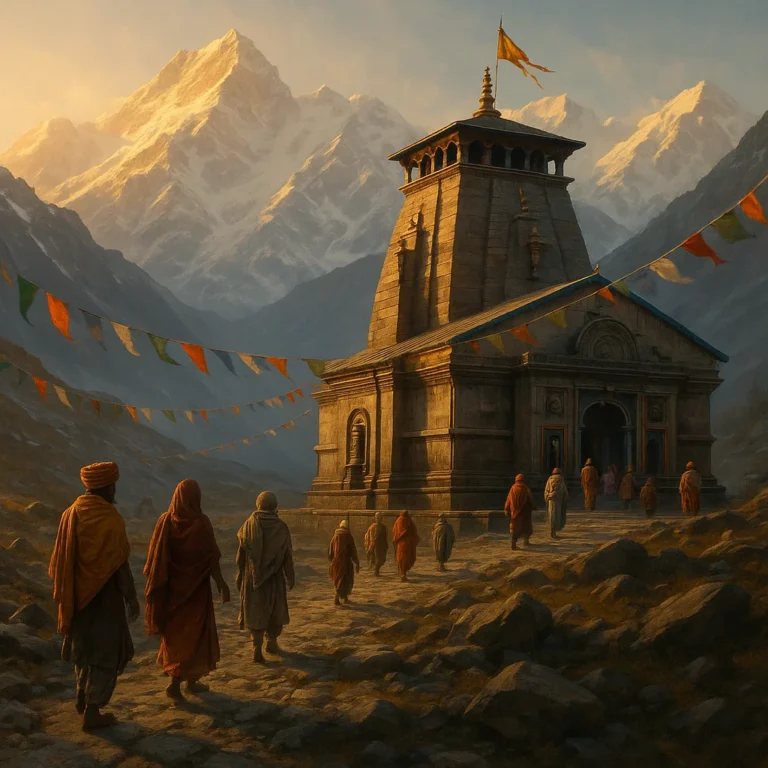
Close your eyes and picture yourself in the mighty Himalayas. The air is filled with peace and spirituality. This is Kedarnath—not just a temple, but a place of deep faith, ancient stories, and breathtaking nature. Sitting at 3,583 meters in Uttarakhand, Kedarnath Temple is one of India’s holiest sites. Thousands of pilgrims visit as part of the Chardham Yatra or Do Dham Yatra.
But Kedarnath is more than prayers and cold winds. It’s a place of miracles, legends, and a powerful energy that changes people. Whether you come for faith, adventure, or mystery, here’s what you should know before visiting.
The Legendary Origins: Where Myth Meets History
Kedarnath is not just a temple—it’s a story from ancient times. Hindu mythology says the Pandavas built this temple after the Mahabharata war to seek forgiveness. Lord Shiva, in the form of a bull, hid here, leaving behind his hump. This spot became one of the Panch Kedar (five sacred places of Shiva).
The temple we see today was rebuilt by Adi Shankaracharya in the 8th century. Amazingly, it’s made of huge interlocking stones—no cement or mortar. Even after earthquakes and avalanches, it still stands strong.
The Miracle of 2013: When Nature Spared the Divine
In 2013, terrible floods destroyed many parts of Uttarakhand. Whole villages were washed away, and thousands died. But Kedarnath Temple was untouched. A massive boulder, now called “Baba Kedarnath’s Rock,” blocked the floodwaters, saving the temple.
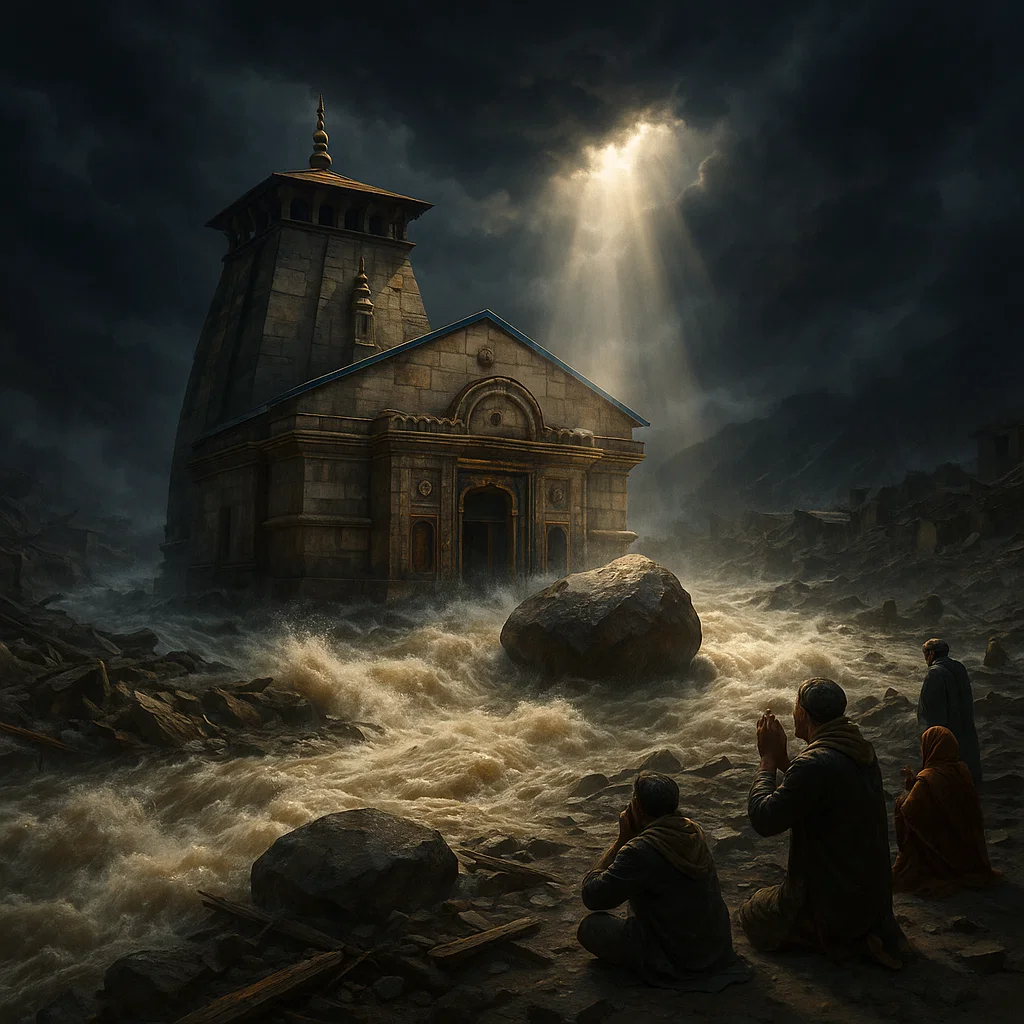
Was it luck or divine power? No one knows, but this miracle made Kedarnath even more sacred.
Open Only Six Months a Year – A Test of Devotion
Kedarnath is not open all year. Heavy snow closes the temple from November to April. During this time, the idol of Lord Shiva is moved to Ukhimath for worship.
This short visiting time makes the pilgrimage special. The best months to visit are May-June or September-October when the weather is good.
The Spiritual Energy of Kedarnath
People who visit Kedarnath say they feel a powerful energy here. Whether you walk 16 km from Gaurikund or come by helicopter, the moment you reach the temple, you feel calm and changed.
One pilgrim said, “I came with pain and medicines. I left feeling lighter, as if the mountain air healed me.” Science can’t explain it, but those who visit understand—Kedarnath transforms you.
Kedarnath in the Chardham Yatra
Kedarnath is one of the four holy sites in the Chota Chardham Yatra, (with Badrinath, Gangotri, and Yamunotri). For many, it’s the toughest but most rewarding part of the journey—where physical effort meets spiritual peace.
If trekking is hard, you can take a helicopter. There are also comfortable travel packages for pilgrims. But no matter how you go, the experience is unforgettable.
Are You Ready for the Himalayas?
Now that you know a little about Kedarnath’s magic, will you visit? More than just a temple, it offers adventure, blessings, and a break from everyday life.
Plan your pilgrimage with Travel Shrine today! Explore our curated Do Dham and Chardham Yatra packages, designed to blend devotion with comfort.
FAQs About Kedarnath Temple
-
Why is Kedarnath special?
– It’s an ancient temple with deep spiritual energy and a history of miracles. -
How hard is the Kedarnath trek?
– The 16 km trek is tough, but helicopters are available for an easier trip. -
Can I visit Kedarnath in winter?
– No. The temple closes from November to April. The idol is moved to Ukhimath. -
When is the best time to visit?
– May-June (good weather) or September-October (clear skies after monsoon). -
What should I pack?
– Warm clothes, rain gear, ID proofs, medicines, and strong trekking shoes. -
Are there good places to stay near Kedarnath?
– Yes! From simple lodges to luxury tents, there are many options.
Come to Kedarnath—where faith meets the Himalayas!