
Complete List of 12 Jyotirlingas of Shiva in India
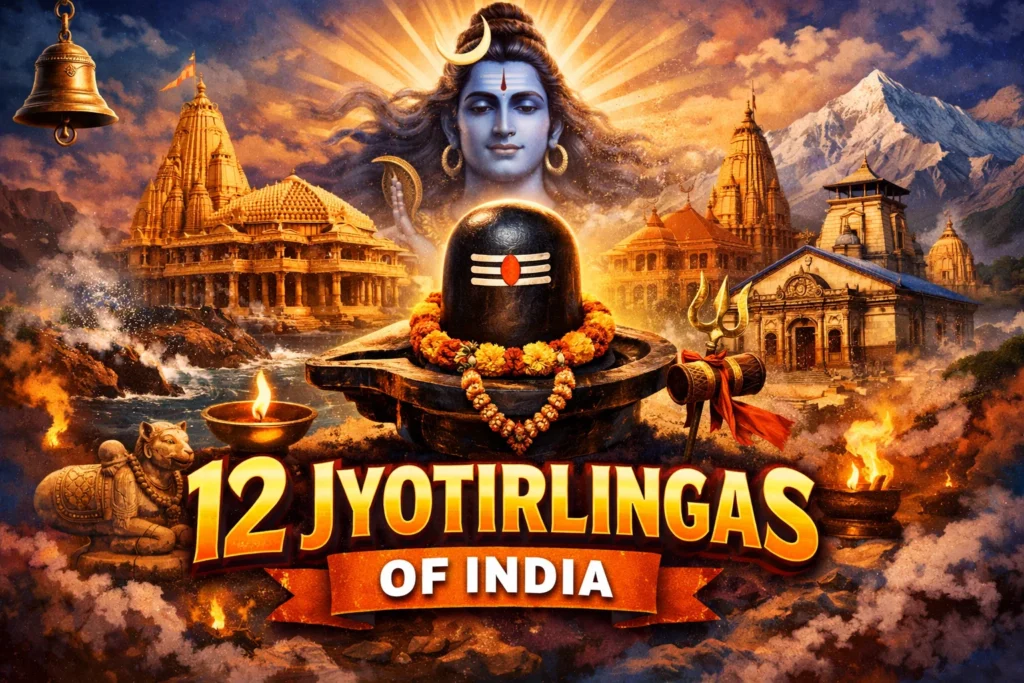
The word “Jyotirlinga” derives from two ancient Sanskrit terms: Jyoti (light) and Linga (symbol). Across India, twelve sacred Jyotirlingas stand as the most venerated sanctuaries of Lord Shiva. From the Himalayan heights of Kedarnath to the riverside grandeur of Kashi Vishwanath along the Ganges, these divine destinations attract devotees from every corner of the globe seeking blessings and spiritual connection with Shiva’s boundless energy. These sacred spaces pulse with divine presence while showcasing remarkable historical importance and architectural magnificence. Each Jyotirlinga embodies a unique facet of Shiva’s cosmic essence.
Many devoted Hindus hold a profound conviction that completing a pilgrimage to all twelve Jyotirlingas purifies one’s soul from negative karma. The faithful believe that worship at these holy shrines guides seekers toward moksha—the ultimate spiritual freedom. Are you planning a sacred journey to any of these divine locations? Keep reading this comprehensive guide covering all 12 Jyotirlingas of Lord Shiva, complete with temple schedules, mythological tales, historical context, and pilgrimage routes. This detailed resource encompasses everything from their celestial origins and nearby points of interest to meaningful ways of maintaining spiritual connection through sincere offerings and worship. Through this exploration, we’ll uncover essential insights and understand what makes each shrine extraordinarily special.
12 Jyotirlingas in India
Complete List of 12 Jyotirlingas with Locations and Temple Timings
Countless devotees from around the planet journey to India’s twelve Jyotirlingas, sacred sites holding supreme reverence for Lord Shiva. These temples are believed to radiate his eternal divine presence, offering pilgrims opportunities to find inner tranquility, experience spiritual transformation, and draw nearer to the Divine.
| Name | City | State | Direction Faced | Opening Time | Closing Time |
|---|---|---|---|---|---|
| Somnath | Prabhas Patan | Gujarat | East | 6:00 AM | 9:00 PM |
| Mallikarjuna | Srisailam | Andhra Pradesh | East | 4:30 AM | 10:00 PM |
| Mahakaleshwar | Ujjain | Madhya Pradesh | South (Dakshin Mukhi) | 4:00 AM | 11:00 PM |
| Omkareshwar | Mandhata Island | Madhya Pradesh | East | 5:00 AM | 9:30 PM |
| Kedarnath | Kedarnath | Uttarakhand | West | 4:00 AM (May–Nov) | 9:00 PM (May–Nov) |
| Bhimashankar | Pune (Khed) | Maharashtra | East | 5:00 AM | 9:30 PM |
| Kashi Vishwanath | Varanasi | Uttar Pradesh | East | 3:00 AM | 11:00 PM |
| Trimbakeshwar | Trimbak | Maharashtra | East | 5:30 AM | 9:00 PM |
| Baidyanath | Deoghar | Jharkhand | East | 4:00 AM | 9:00 PM |
| Nageshwar | Dwarka | Gujarat | West | 6:00 AM | 9:00 PM |
| Rameshwaram | Rameshwaram | Tamil Nadu | East | 5:00 AM | 9:00 PM |
| Grishneshwar | Ellora | Maharashtra | East | 5:30 AM | 9:30 PM |
Suggested Tour: 12 Jyotirlinga Yatra Tour Package
1. Somnath (Gir, Gujarat)
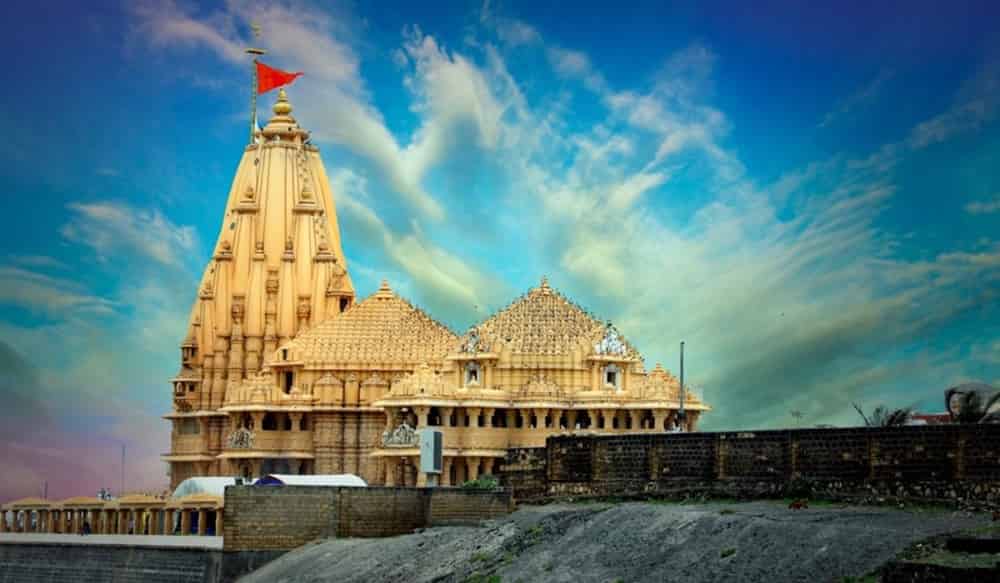
The Somnath Jyotirlinga Temple ranks among India’s most sacred Shiva sanctuaries, drawing pilgrims from across the world. Situated in Prabhas Kshetra near Veraval in Gujarat, this temple holds immense spiritual and historical weight. Many consider Somnath among India’s most ancient temples. Its reconstruction sixteen times throughout history reflects the unwavering devotion and determination of believers.
The Shiva Purana recounts how Chandra Dev, the Moon deity, received a curse from his father-in-law Daksha Prajapati, causing him to lose his luminosity. In desperation, Chandra offered prayers to Lord Shiva seeking relief from this affliction.
Moved by Chandra’s sincere devotion, Shiva revealed himself as a Jyotirlinga, restoring the Moon god’s radiant glow. The shrine earned its name Somnath, meaning the Protector of the Moon.
Nearby Attractions: Bhalka Tirth, Gita Mandir, Triveni Sangam, Somnath Beach
Highlight: Evening Light & Sound Show running from 8:00 PM to 9:00 PM
Tickets: ₹30 for adults | ₹10 for children under 10 years
2. Mallikarjuna (Srisailam, Andhra Pradesh)
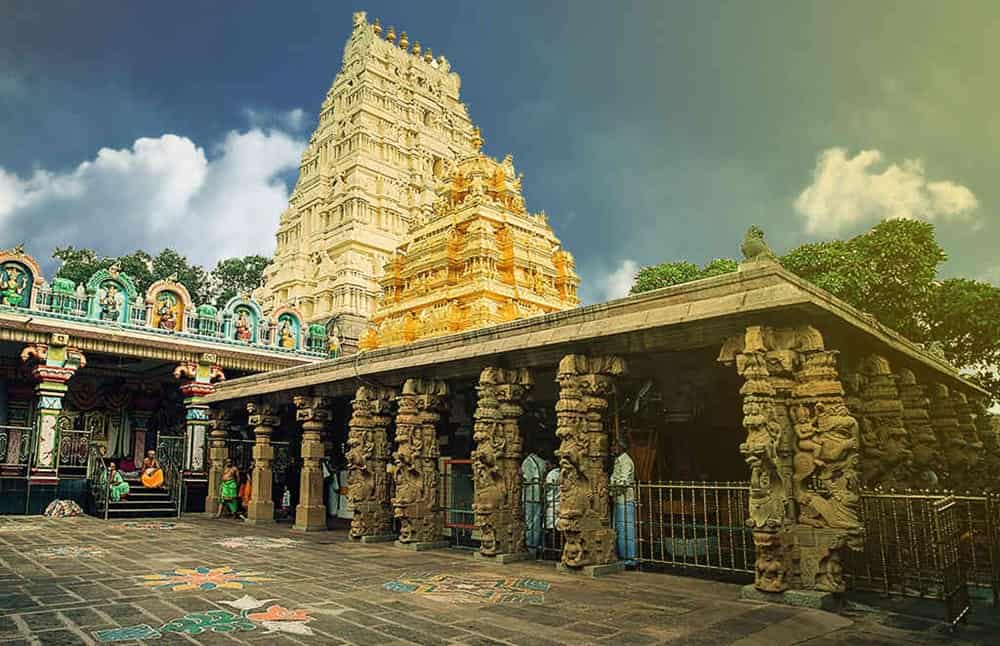
Nestled majestically within the Nallamala hills, Mallikarjuna Temple attracts massive pilgrimage crowds throughout India. This sacred shrine honors Lord Shiva while offering devotees the chance to receive blessings from Goddess Parvati. The site is recognized as one of the remarkable 18 Maha Shakti Peethas. According to legend, Lord Shiva and Goddess Parvati manifested here as Mallikarjuna and Bhramaramba to remain near their son Kartikeya. This distinction makes it India’s only temple complex housing both a Jyotirlinga and a Shakti Peetha.
Nearby Attractions: Bhramaramba Devi Temple, Srisailam Dam, Sakshi Ganapati Temple, Akkamahadevi Caves
Highlight: The golden tower (Vimana) and Sahasra Linga featuring 1000 miniature carved Lingas
Tickets: Free admission
3. Mahakaleshwar (Ujjain, Madhya Pradesh)
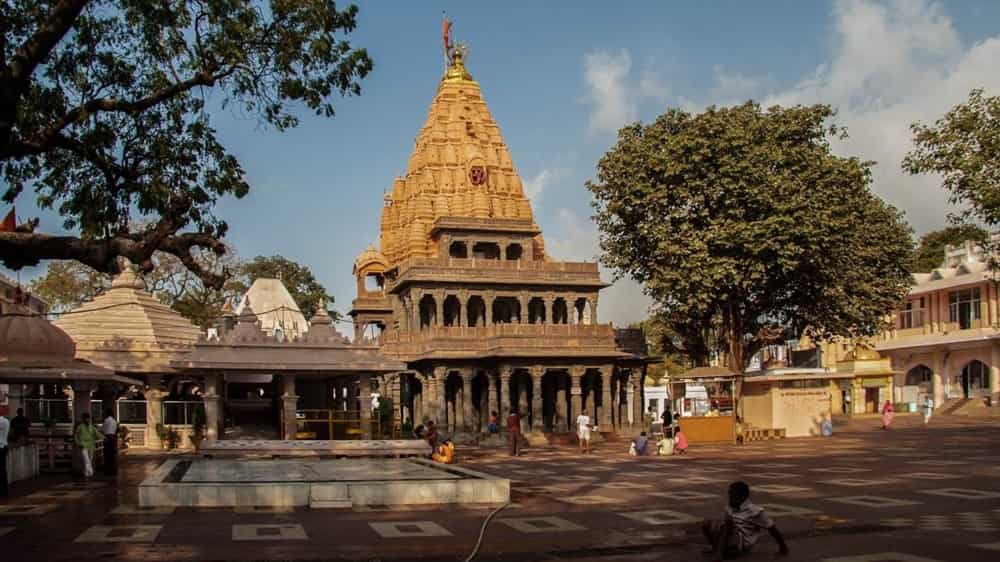
The Mahakaleshwar Temple stands as one of Lord Shiva’s most revered sanctuaries in Ujjain, Madhya Pradesh. It belongs to the sacred group of 12 Jyotirlingas where devotees worship Shiva through his self-manifested lingam form. Positioned along the holy Shipra River’s banks, this temple captivates devotees and spiritual seekers worldwide. Mahakaleshwar distinguishes itself through its Swayambhu lingam—meaning self-originated—which radiates divine energy.
This temple uniquely faces south, earning it the name Dakshin Mukhi, an uncommon directional orientation among Jyotirlingas. The architecture beautifully blends Bhumija, Maratha, and Chalukya styles, showcasing ancient Indian artistic grandeur. Furthermore, this magnificent temple serves as the celebration center for Maha Shivaratri, when Ujjain overflows with devotional fervor and joyous energy.
Nearby Attractions: Kal Bhairav Temple, Sandipani Ashram, Ram Ghat
Highlight: The temple’s daily Bhasma Aarti performed at dawn using sacred ash, representing the eternal cycle of creation and dissolution
Tickets: Free entry
4. Omkareshwar (Khandwa, Madhya Pradesh)

Omkareshwar Temple sits on Mandhata Island in the Narmada River in Khandwa, Madhya Pradesh. The island naturally forms the sacred Hindu symbol Om, inspiring the temple’s name—Omkareshwar, meaning the Lord of Om. This remarkable geographical and spiritual convergence has established it as one of India’s holiest pilgrimage destinations. Omkareshwar stands as an everlasting symbol of devotion, serenity, and Lord Shiva’s spiritual permanence.
The temple’s architecture inspires wonder with its intricate carved pillars, elaborate domes, and detailed stone sculptures decorating the complex. The main Shiva lingam worshipped as Omkareshwar is believed to be Swayambhu or self-manifested, radiating divine power. Thousands of pilgrims visit throughout the year, especially during Maha Shivaratri, when the area resonates with chants of Har Har Mahadev.
Nearby Attractions: Siddhanath Temple, Mamleshwar Temple, Gauri Somnath Temple
Highlight: The “Om” shaped island formation and enjoyable boat rides
Tickets: Temple entry is free; boat rides require payment
5. Kedarnath (Rudraprayag, Uttarakhand)
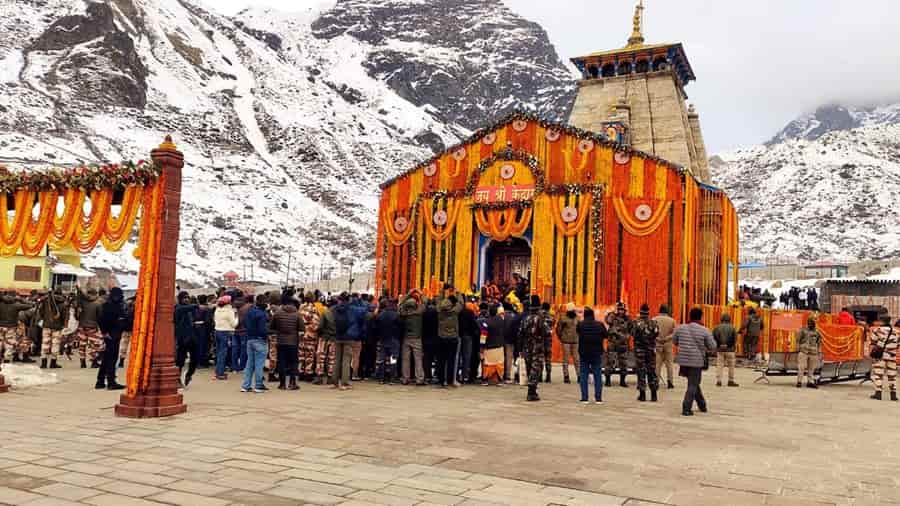
Kedarnath Jyotirlinga in Rudraprayag district, Uttarakhand, is the only Jyotirlinga among the twelve that operates seasonally for six months. It also serves as a crucial stop on the Chhota Char Dham pilgrimage circuit. Nestled deep in the Himalayas at 3,583 meters elevation beside the Mandakini River, it’s surrounded by snow-capped peaks and breathtaking panoramic views. Devotees believe Lord Shiva manifested here as a Jyotirlinga to absolve the Pandavas of their sins from the Kurukshetra battle.
The Pandavas originally constructed this stone temple, which Adi Shankaracharya later restored in the 8th century, reinforcing its sanctity and power. Inside the main sanctum sits a cone-shaped lingam representing Lord Shiva’s Sadashiva form. Harsh weather conditions limit temple access to April through November; during winter months, the deity relocates to Ukhimath.
Nearby Attractions: Gaurikund, Vasuki Tal, Bhairav Nath Temple
Highlight: Stunning mountain vistas and profound spiritual atmosphere
Tickets: No entry fee; devotees may offer donations voluntarily
6. Bhimashankar (Pune, Maharashtra)
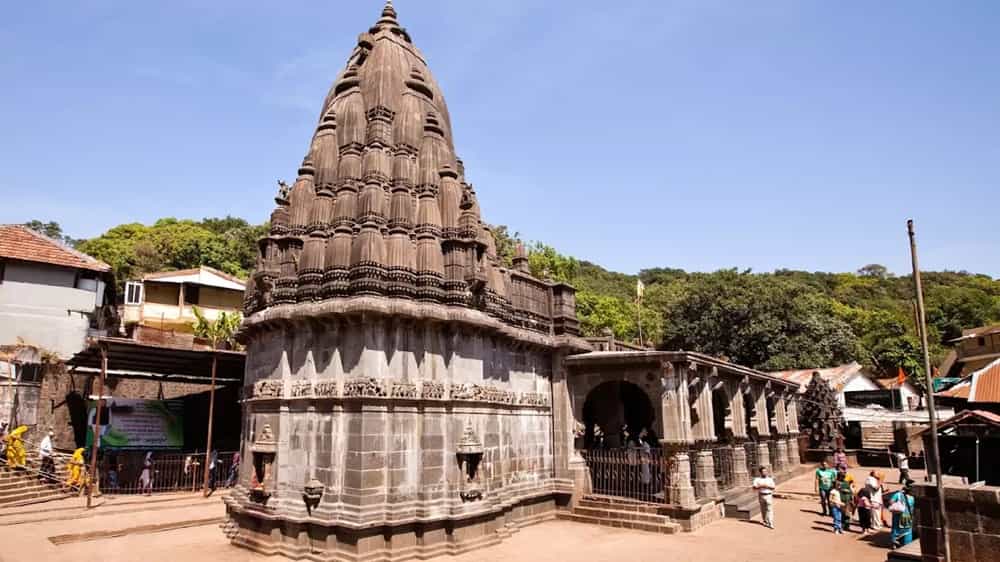
This temple rises from dense forests on hills reaching approximately 3,250 feet elevation, providing a serene worship environment and stunning natural scenery. Legend tells how Lord Shiva assumed the Bhairava form here to defeat the demon Tripurasura. Following the battle, his perspiration formed the Bhima River, giving the temple its name Bhimashankar. The structure showcases Nagara architectural style with intricate stone carvings and a peaceful inner sanctum housing the Shiva lingam.
The Bhimashankar Wildlife Sanctuary envelops the temple, supporting diverse plant and animal species. This sanctuary shelters the Giant Indian Squirrel, locally called Shekru. Beyond its pilgrimage significance, the site attracts trekking enthusiasts. Many visitors come seeking divine blessings while immersing themselves in nature. Maha Shivaratri draws particularly large crowds when thousands of devotees gather for worship.
Nearby Attractions: Hanuman Lake, Nagphani Point, Sakshi Ganapati Temple
Highlight: Classic Nagara-style architecture
Tickets: Free entry; accessible to devotees throughout the year
7. Kashi Vishwanath Temple (Varanasi, Uttar Pradesh)
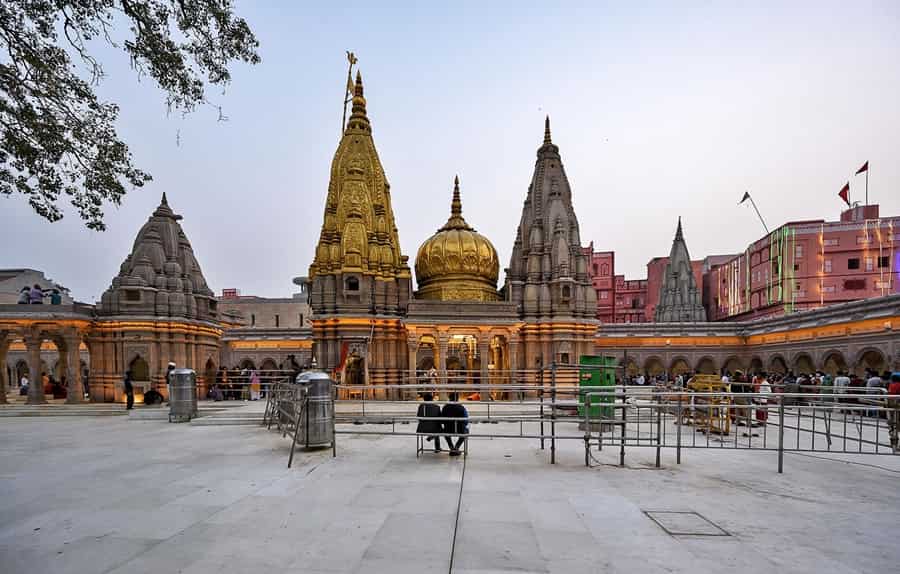
Situated on the sacred Ganga River’s western bank, this temple ranks among the twelve Jyotirlingas and remains a favored destination for spiritual aspirants. Many believe visiting Kashi Vishwanath and bathing in the Ganges grants liberation from the endless cycle of rebirth.
The main deity, Vishweshwara or Vishwanath, appears as a black stone lingam. Queen Ahilyabai Holkar of Indore reconstructed the present structure in 1780, adorning the domes with ornate gold plating—hence its nickname, the Golden Temple of Varanasi. The recent Kashi Vishwanath Corridor project has enhanced temple accessibility, providing direct pathways from the Ganga Ghats.
The temple buzzes with activity year-round. During festivals like Maha Shivaratri and the sacred month of Shravan, massive crowds converge. The air fills with devotees chanting Har Har Mahadev, creating an atmosphere saturated with divine energy and profound reverence.
Nearby Attractions: Various Ghats, Banaras Hindu University (BHU), Sarnath
Highlight: Memorable boat rides along the Ganges
Tickets: Free admission
8. Trimbakeshwar Temple (Nashik, Maharashtra)
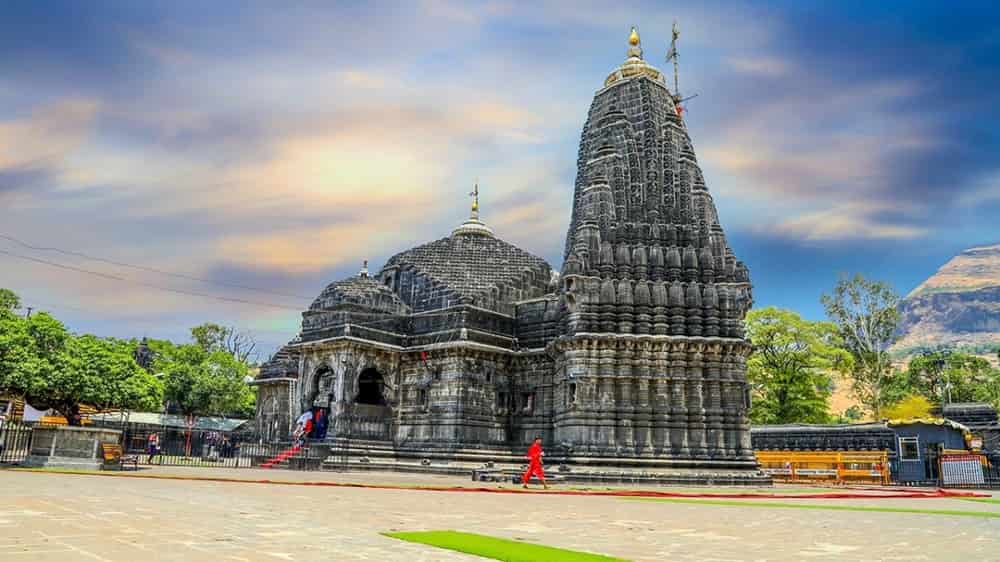
Located in Maharashtra’s Nashik district, Trimbakeshwar attracts enormous pilgrimage crowds as one of India’s busiest Jyotirlingas. The lingam here uniquely represents the divine trinity’s combined power—Brahma, Vishnu, and Shiva. Its proximity to the Godavari River makes it an essential Hindu pilgrimage site. The ancient structure features black stone construction and ornate domes built in the Hemadpanthi architectural style.
Legend identifies this location where sage Gautam and his consort Mata Ahalya pleased Lord Shiva, receiving the blessing of eternal life.
Nearby Attractions: Brahmagiri Hill, Neel Parbat, Anjaneri Fort
Highlight: Kushavarta Kund, a sacred bathing tank for pilgrims
Entry Fee: No charge; voluntary donations welcome
9. Vaidyanath (Deoghar, Jharkhand)
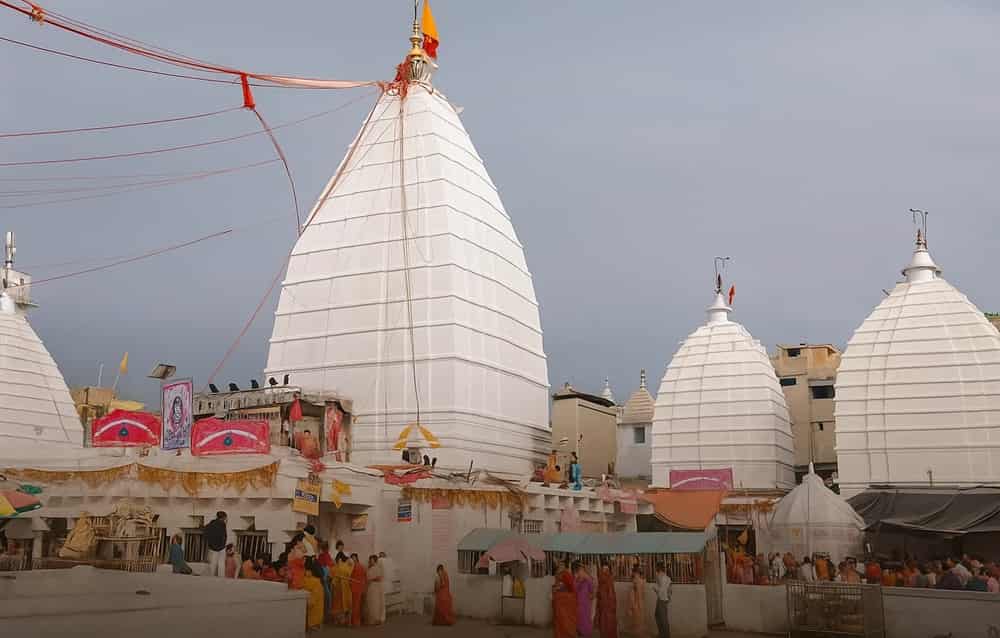
Commonly known as Baidyanath Dham, Vaidyanath Temple ranks among North India’s most visited Jyotirlingas. Mythological accounts connect this site with Ravana, who sacrificed his ten heads to Lord Shiva seeking invincibility. His profound devotion moved Lord Shiva to manifest and grant blessings. The temple complex maintains simplicity while emanating powerful spiritual energy. Architecturally, it features a towering Shikhara (temple spire) surrounded by numerous smaller shrines.
If this sacred place resonates with you, explore our carefully designed and affordable Baidyanath Dham tour packages.
Nearby Attractions: Tapovan Caves, Basukinath Mandir, Naulakha Mandir
Highlight: Shravani Mela, drawing millions of Kanwariyas to the temple
Entry Fee: Temple entry is free; VVIP passes available for those seeking expedited access
10. Nageshwar Jyotirlinga (Dwarka, Gujarat)
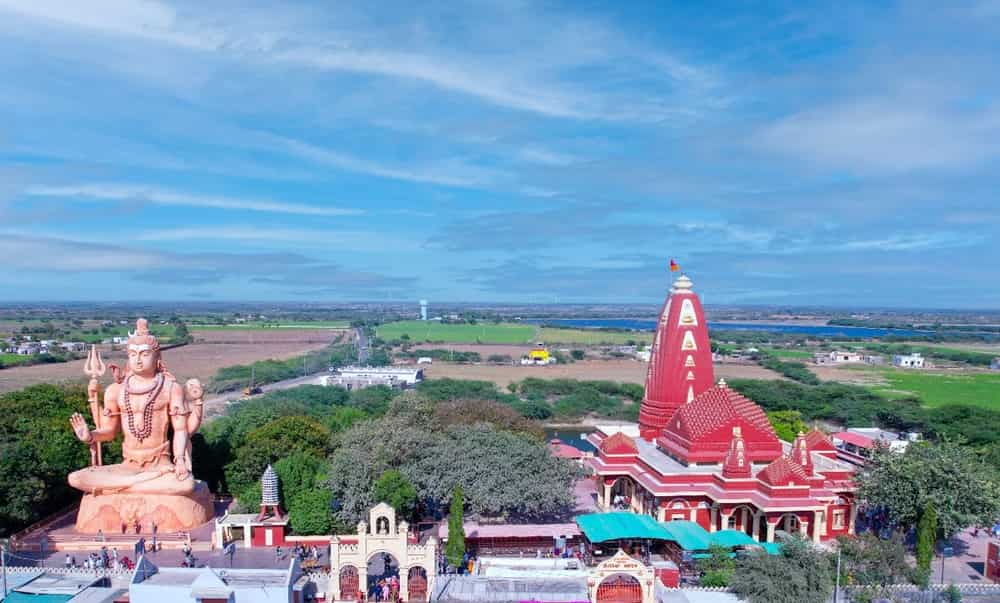
Positioned gracefully along the Saurashtra coastline, Nageshwar Temple carries profound spiritual meaning in Hindu tradition. It symbolizes protection against all toxins and negativity. Hindu mythology describes how Lord Shiva as Nageshwar Mahadev appeared here to save his devotee Supriya from the demon Daruka. The temple’s name stems from the Sanskrit word Naga (serpent), symbolizing protection and transformation.
The temple’s distinctive Shiva lingam is carved from smooth, dark stone emanating divine power. Devotees believe worshipping here frees them from fear and malevolent forces while bestowing peace and inner fortitude. The complex also features a magnificent 25-meter-tall Lord Shiva statue standing serenely against the Arabian Sea backdrop.
Nearby Attractions: Gomti Ghat, Rukmini Temple, Dwarkadhish Temple
Highlight: Imposing Shiva statue and refreshing coastal breezes
Entry Fee: Free admission
11. Ramanathaswamy (Rameswaram, Tamil Nadu)
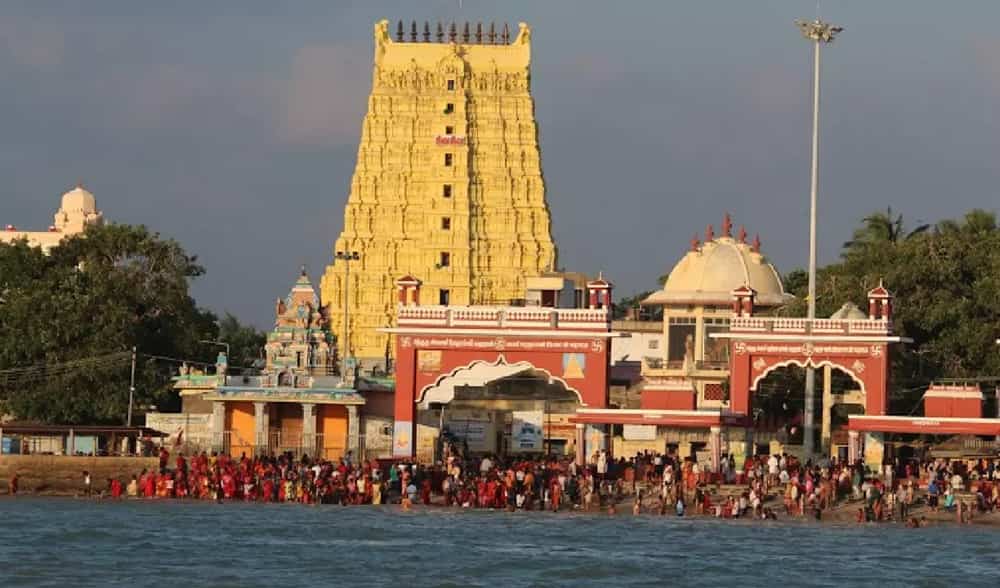
A premier pilgrimage site for Shiva devotees, Ramanathaswamy also captivates travelers with its stunning Dravidian architecture, expansive corridors, and elaborately carved pillars. Legend recounts how Lord Rama worshipped Lord Shiva here, seeking forgiveness for killing Ravana. He consecrated the lingam known as Ramanathaswamy in this temple. The sacred water tanks called the 22 Theerthams are believed to cleanse devotees’ sins. Located on tranquil Rameswaram Island, the temple demonstrates the harmonious connection between Lord Vishnu and Lord Shiva. Thousands of pilgrims worldwide visit seeking spiritual liberation and inner peace.
Nearby Attractions: Adam’s Bridge, Agni Theertham, Dhanushkodi
Highlight: The temple’s grand corridor system
Entry Fee: Free entry for all visitors
12. Grishneshwar (Aurangabad, Maharashtra)
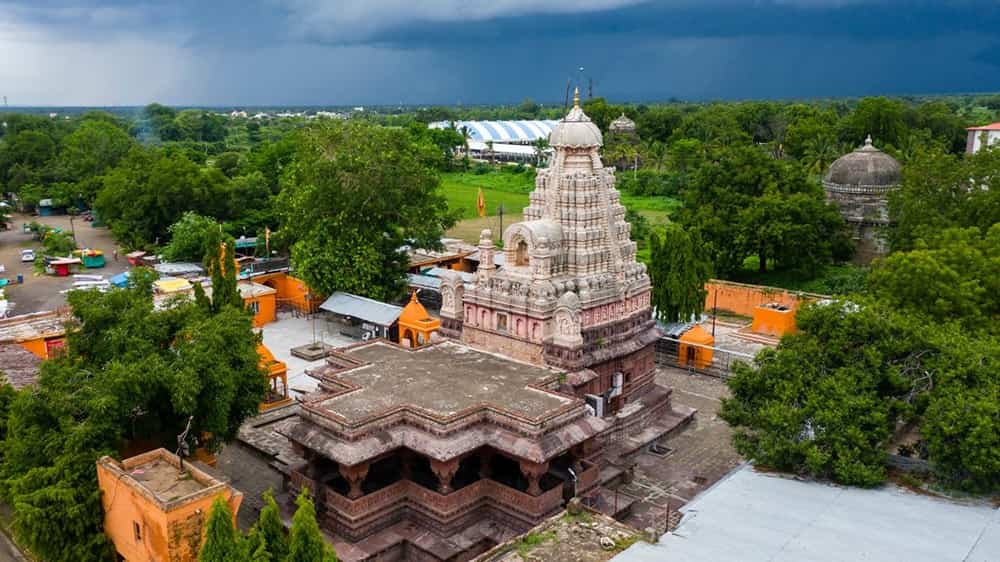
Constructed in South Indian architectural style, Grishneshwar represents the twelfth and final Jyotirlinga of Lord Shiva. The name Grishneshwar translates to the Lord of Compassion. Common belief holds that worshipping at this temple fulfills devotees’ wishes and eliminates negative karma.
Hindu mythology associates this location with Kusuma, who faithfully worshipped a Shiva Lingam daily by immersing it in a water tank. After losing her son, Kusuma prayed to Lord Shiva with wholehearted devotion. Lord Shiva appeared, revived her son, and promised to remain there eternally as Grishneshwar Jyotirlinga. This temple uniquely allows devotees to touch the deity and perform special rituals like Rudrabhishek.
Nearby Attractions: Bibi Ka Maqbara, Ellora Caves, Daulatabad Fort
Highlight: Exceptional temple architecture
Entry Fee: Completely free for all devotees
Suggested Tours:
- 5 Jyotirlinga Tour Package Maharashtra
- 3 Jyotirlinga Tour Package Maharashtra
Frequently Asked Questions (FAQs)
Q1: What are the 12 Jyotirlingas?
These are twelve sacred temples dedicated to Lord Shiva where he is worshipped as a self-manifested pillar of light. Each temple possesses unique spiritual significance and fascinating historical background.
Q2: Which are the five most important Jyotirlingas to visit?
Somnath, Mallikarjuna, Mahakaleshwar, Kedarnath, and Kashi Vishwanath are considered the most significant, renowned for their divine associations and ancient legends.
Q3: Which Jyotirlinga is considered most powerful?
All Jyotirlingas radiate divine power. However, Kashi Vishwanath and Somnath receive special reverence due to their connections with liberation and eternal energy.
Q4: In which directions do these temples face?
Most face eastward, symbolizing purity and enlightenment. Mahakaleshwar uniquely faces south, while Kedarnath and Nageshwar face west.
Q5: Does a 13th Jyotirlinga exist?
Officially, only twelve Jyotirlingas are recognized. However, Gupteshwar in Mauritius is sometimes symbolically referred to as the 13th Jyotirlinga.
Q6: What significance does visiting all 12 Jyotirlingas hold?
Tradition holds that completing pilgrimage to all twelve purifies the soul, removes sins, and helps achieve moksha (spiritual liberation).
Q7: Can all twelve sites be covered in a single journey?
Yes, visiting all 12 Jyotirlingas in one trip is possible through a clockwise route across India, beginning at Somnath in Gujarat and concluding at Rameshwaram in Tamil Nadu.
Q8: Can women visit these temples?
Absolutely, women are welcome to visit and worship at all Jyotirlinga temples without any restrictions.
Q9: What’s the ideal time to visit these temples?
The most auspicious time for visiting any Jyotirlinga is during Maha Shivaratri or throughout the month of Shravan (July-August).
Q10: Is there a spiritual connection linking these Jyotirlingas?
Yes, they share a profound spiritual bond, each representing different manifestations of Lord Shiva’s infinite divine power.